
How Former Industrial Areas Became Manhattan’s Hottest Real Estate

Manhattan has always thrived on reinvention. What once served as a backbone for manufacturing, shipping, and large-scale production has gradually transformed into some of the most desirable places to live in the world. Former industrial districts, once defined by warehouses and loading docks, now attract buyers, renters, and investors seeking character, convenience, and long-term value. This evolution did not happen overnight, but through decades of economic change, creative vision, and urban adaptation that ultimately reshaped these overlooked areas into what many now recognize as Manhattan's hottest real estate.
Manhattan's Hottest Real Estate RootsLong before sleek residential buildings and lively streetscapes took over, large portions of Manhattan were designed purely for industry. Factories, printing houses, and storage facilities dominated entire neighborhoods, chosen for their proximity to ports, rail lines, and labor. These districts were functional rather than fashionable, built to support commerce instead of comfort. Yet the very qualities that once made them ideal for industrial use, such as sturdy construction, expansive interiors, and central locations, later became key factors in their rise as Manhattan's hottest real estate when the city's priorities began to shift.
The Decline of Heavy IndustryBy the mid-twentieth century, the forces that once fueled Manhattan's industrial dominance began to fade. Manufacturing moved to regions with more space and lower costs, while advances in transportation reduced the need for centralized urban factories. Container shipping reshaped ports, leaving many traditional docks obsolete. As jobs disappeared, entire districts were left with underused buildings and declining infrastructure. These changes were challenging for the city, but they also laid the groundwork for reinvention by freeing up vast amounts of real estate.
Artists as the First PioneersIn many former industrial neighborhoods, artists were among the first to see potential where others saw decay. Large open spaces, high ceilings, and abundant natural light made old factories ideal for studios and live-work arrangements. Rents were low, and zoning regulations were often loosely enforced, allowing creative communities to take root. Over time, these artists brought energy, culture, and a new identity to areas that had been written off, slowly changing how the rest of the city perceived them.
Zoning Changes and Urban Policy
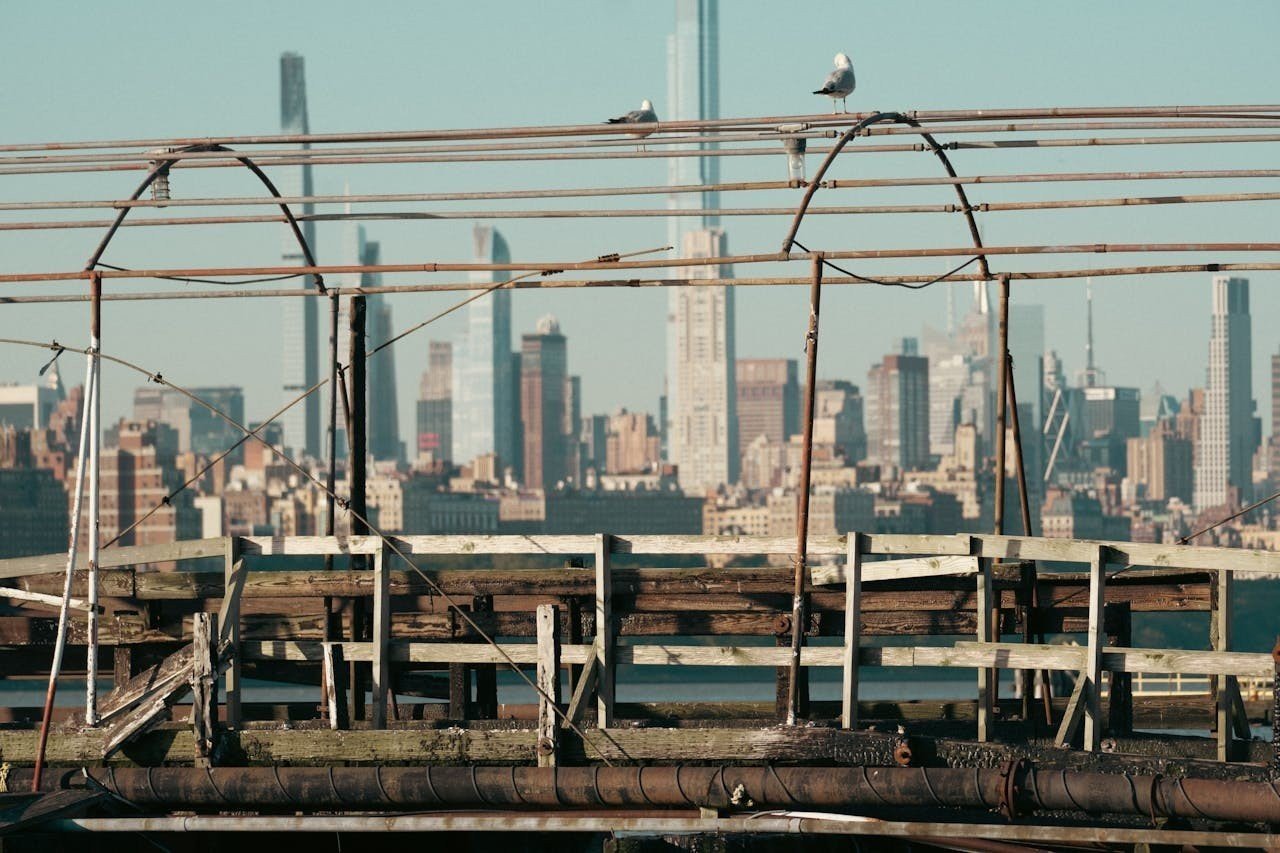
The transformation from industrial zone to residential hotspot did not happen by accident. City policies played a crucial role in redefining what these neighborhoods could become. Zoning changes allowed residential use in former manufacturing districts, while tax incentives encouraged developers to rehabilitate aging buildings rather than demolish them. Infrastructure investments, such as improved transit access and public spaces, further supported the shift. These policy decisions signaled that industrial Manhattan was no longer just a place of work, but a place to live, socialize, and invest.
Lifestyle Shifts and Urban LivingAs Manhattan's economy evolved, so did the preferences of its residents. Proximity to work, culture, dining, and entertainment became increasingly important, especially for professionals and creatives. Former industrial areas, often located near the city's core or along the waterfront, offered exactly that. These neighborhoods began to attract people who valued walkability, vibrant street life, and unique living spaces. The shift was not just about real estate, but about a broader reimagining of how urban life could feel.
The Appeal of Industrial ArchitectureOne of the defining features of these redeveloped areas is the architecture itself. Exposed brick, steel beams, oversized windows, and open floor plans offer a sense of authenticity that newer buildings often struggle to replicate. Many buyers and renters are drawn to the story embedded in these structures, appreciating the blend of historic character and modern comfort. The architecture provides flexibility, allowing spaces to be customized in ways that reflect contemporary lifestyles while honoring the past.
A Range of Homes for Modern BuyersOne reason the former industrial neighborhoods in Manhattan continue to thrive is the diversity of housing they offer. From classic loft conversions with expansive interiors to sleek new developments that echo industrial design elements, buyers and renters can find what works for them in Manhattan, depending on lifestyle and priorities. Different types of Manhattan apartments coexist within these areas, including compact studios, spacious lofts, family-friendly residences, and high-end penthouses. This mix creates dynamic communities where long-term residents and newcomers share the same streets, cafes, and parks.
The Role of Waterfront RedevelopmentMany industrial districts were located along Manhattan's waterfront, once reserved for shipping and storage. As these uses declined, the city saw an opportunity to reconnect residents with the water. Former piers and warehouses were transformed into parks, promenades, and residential complexes with sweeping views. Access to green space and the calming presence of the river added another layer of appeal, making these neighborhoods feel like retreats within the city while remaining deeply connected to urban life.
Economic Impact and Rising Demand
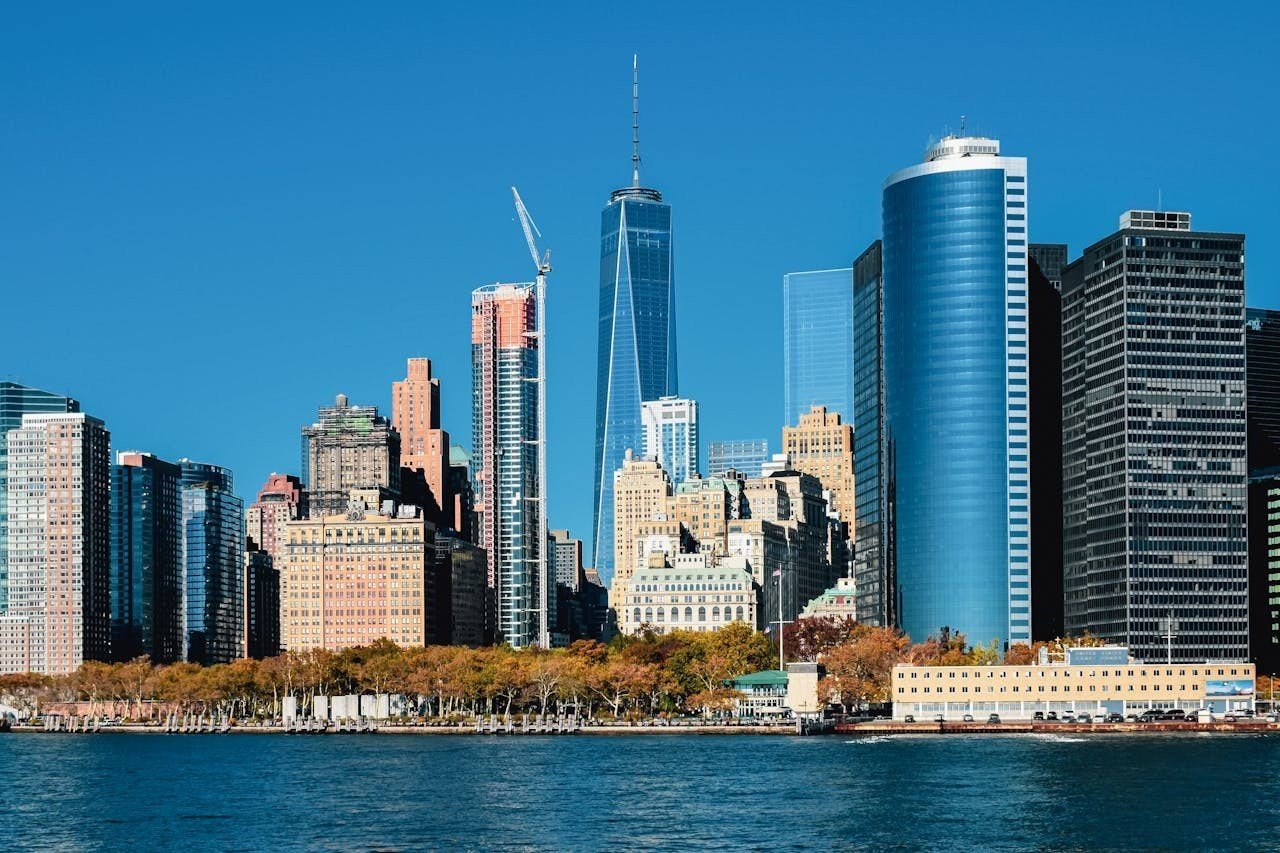
As industrial areas gained popularity, demand for property increased rapidly. What began as affordable alternatives to traditional residential neighborhoods evolved into some of the most competitive markets in Manhattan. Property values rose, retail followed residential growth, and local economies flourished. While this growth brought challenges related to affordability, it also demonstrated the economic power of adaptive reuse and thoughtful urban planning.
Balancing History and Modern NeedsOne of the ongoing challenges in these neighborhoods is maintaining a balance between preservation and progress. Residents often value the historic character that attracted them in the first place, while developers seek to meet modern expectations for comfort and efficiency. Successful projects tend to respect the original structure while integrating contemporary design and technology. This balance helps ensure that the transformation feels authentic rather than forced.
Cultural Identity and CommunityBeyond buildings and prices, the true success of these former industrial areas lies in their sense of community. Galleries, performance spaces, local businesses, and community events all contribute to a distinct cultural identity. The neighborhoods retain traces of their industrial past while embracing creativity and innovation. This layered identity makes them feel alive and continually evolving, rather than static or overly polished.
The Future of Industrial ConversionsManhattan's capacity for reinvention shows no signs of slowing. While most large industrial zones have already been transformed, smaller pockets continue to evolve. Sustainability, adaptive reuse, and community-focused design are shaping the next generation of projects. These future transformations will likely build on the lessons learned from earlier conversions, emphasizing flexibility, inclusivity, and respect for history.
Manhattan's Resilience and CreativityThe transformation of Manhattan's industrial zones into thriving residential communities reflects the city's unmatched ability to adapt and evolve. What were once purely utilitarian spaces have become vibrant neighborhoods that balance history with modern living. By embracing architectural character, responding to changing lifestyles, and reimagining how space can be used, these areas have secured their place as Manhattan's hottest real estate. Their success is not just about rising property values, but about the enduring appeal of neighborhoods that honor their past while continuing to shape the future of urban living.
Images used:
https://www.pexels.com/photo/body-of-water-near-city-buildings-421927/
https://www.pexels.com/photo/new-york-view-12172611/
https://www.pexels.com/photo/stunning-lower-manhattan-skyline-with-blue-sky-35074876/

Comments